

# A Powerful Return: Ossie Davis’s “Black Girl” at the 63rd New York Film Festival
Screening Festival dates are from September 26th-October 13,th 2025
In 1972, attorney-turned-activist Ossie Davis delivered his third feature as a director with “Black Girl,” a groundbreaking adaptation of J.E. Franklin’s popular off-Broadway play. This powerful drama represents a significant achievement in Black cinema and showcases Davis’s evolution from celebrated performer to accomplished filmmaker.
From Stage to Screen: A Visionary 1972 Adaptation
“Black Girl” represents a pivotal moment in Black cinema history – Davis’s third feature as a director showcasing his maturation as a filmmaker during the height of the Black Arts Movement. Based on J.E. Franklin’s acclaimed off-Broadway play of the same name, which premiered in 1969, the 1972 film adaptation demonstrates Davis’s keen eye for stories that captured the spirit of a transformative era in American culture.
Franklin’s original play had already made waves in theater circles, exploring the complex dynamics of Black womanhood through the lens of one family’s struggles and dreams. When Davis brought this intimate family drama to the big screen, he transformed it into something even more powerful – a cinematic exploration of identity, ambition, and the intricate relationships between mothers and daughters.
The Story That Resonates Across Generations

At its heart, “Black Girl” follows Billie Jean, the youngest of three half-sisters living with her mother Mama Rosie and grandmother M’Dear. Billie Jean harbors dreams of becoming a dancer, but faces opposition from her family and the harsh realities of being a high school dropout in 1970s America. The film doesn’t shy away from the painful truths of its era – it confronts stereotypes, examines the emerging women’s liberation movement within the context of Black Power, and presents a nuanced portrait of a single Black mother struggling to support her family while maintaining her independence.
What makes Davis’s adaptation particularly compelling is how it captures the zeitgeist of the early 1970s. As noted by film scholar Melvin Donalson, “Black Girl is a film that explores the intricate and sometimes painful connections between mothers and daughters” – but it goes beyond family dynamics to examine broader social issues affecting Black communities during this pivotal decade.
A Stellar Cast Brings Depth to Every Role
The film features an impressive ensemble cast that brings Franklin’s complex characters to vivid life. Peggy Pettitt, reprising her role from the touring stage production, delivers a powerful performance as Billie Jean. She’s supported by Leslie Uggams as Netta, Ruby Dee (Davis’s wife) as Netta’s mother, the formidable Claudia McNeil as M’Dear, and Brock Peters as Earl. This casting represents a who’s who of Black theater and film talent of the era, each bringing their own gravitas and authenticity to their roles.
The chemistry between these performers elevates the material, creating authentic family dynamics that feel lived-in rather than performed. Davis’s direction allows each actor to shine while maintaining the tight ensemble work that made the original play so effective.
Davis’s Directorial Vision

By 1972, Ossie Davis had already established himself as a significant voice in American theater and film, both as a performer and behind the camera. “Black Girl” showcases his maturation as a filmmaker, demonstrating a confidence in handling intimate family drama while never losing sight of the larger social and political contexts that inform his characters’ lives.
Davis’s approach to the material is both respectful of its theatrical origins and cinematically dynamic. He opens up Franklin’s play without losing its essential intimacy, using the Venice, Los Angeles locations to ground the story in a specific place and time while allowing the universal themes to resonate.
Cultural Impact and Contemporary Relevance

“Black Girl” arrived during a crucial period in American cinema, when Black filmmakers were beginning to gain more opportunities to tell their own stories. The film’s exploration of Black womanhood, family dynamics, and personal ambition in the face of systemic obstacles feels remarkably contemporary, speaking to ongoing conversations about representation, opportunity, and the particular challenges faced by Black women in America.
The movie’s return to the New York Film Festival represents more than just a revival screening – it’s an opportunity to reassess an important work that may have been underappreciated in its initial release but has gained significance over time.
A Lasting Legacy
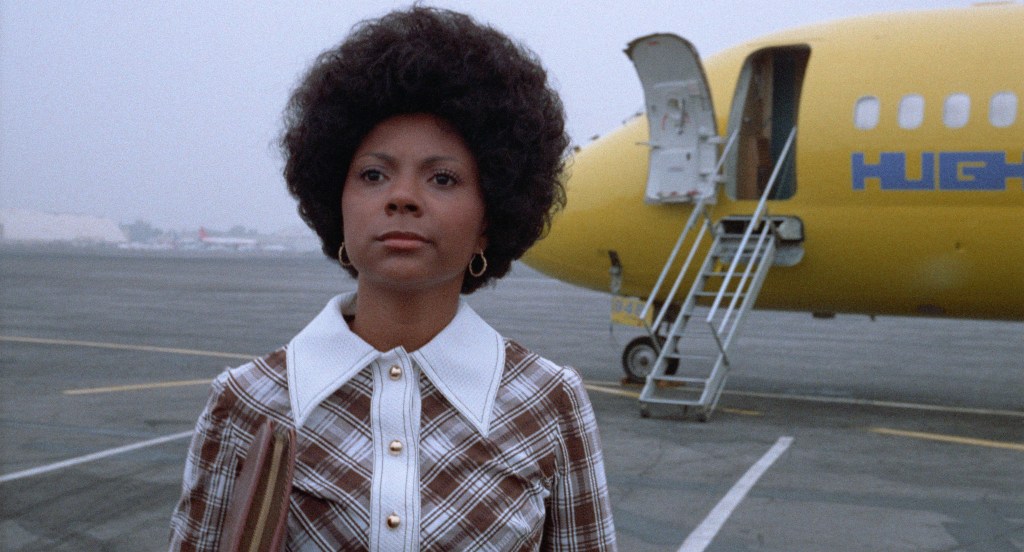
More than five decades after its release, “Black Girl” stands as a testament to Ossie Davis’s vision as a filmmaker and J.E. Franklin’s powerful storytelling. The film’s exploration of Black womanhood, family dynamics, and personal ambition continues to resonate with contemporary audiences, offering both historical insight and timeless themes.
Davis’s third directorial effort proved that he was not just a talented performer and activist, but a filmmaker capable of bringing complex, authentic stories to the screen with sensitivity and artistic integrity. “Black Girl” remains an important work in the canon of Black cinema, deserving of rediscovery and appreciation by new generations of film enthusiasts.

Leave a comment