
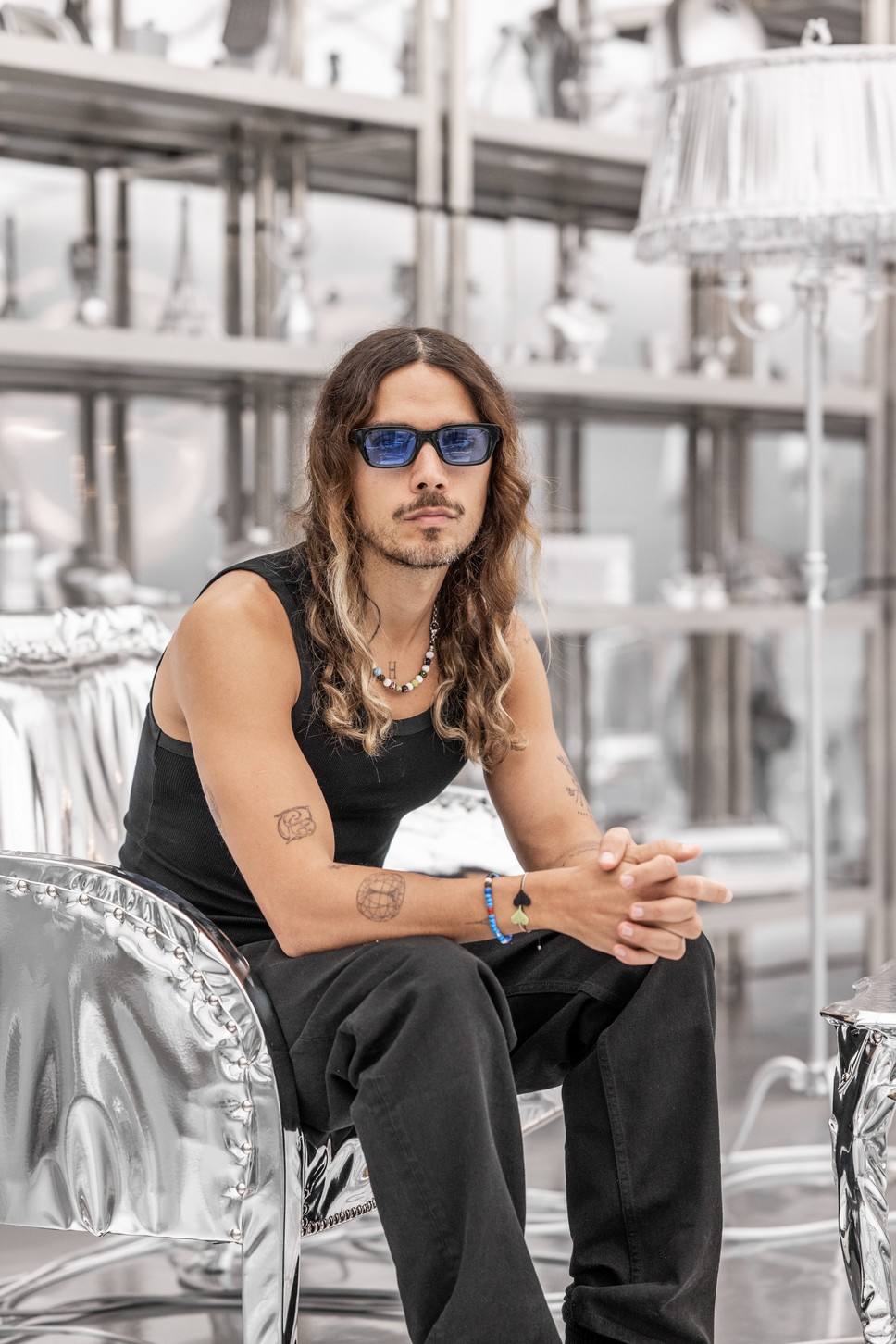
A visionary approach to space, objects, and cultural reinvention
In a creative landscape increasingly defined by repetition, Harry Nuriev stands apart as a designer who doesn’t chase novelty — he reshapes meaning. As the founder of Crosby Studios, Nuriev has built a multidisciplinary practice that blurs the boundaries between art, architecture, fashion, and interior design, offering a new way of seeing the objects and spaces that surround us.
Born in Stavropol, Russia, Nuriev’s journey into design began with architecture, but his vision quickly expanded beyond conventional structures. Today, working between Paris and New York, he leads a studio that has become synonymous with bold experimentation and conceptual clarity. His work feels at once emotional and intellectual — grounded in memory, yet unmistakably forward-looking.
Transformism as a Creative Language
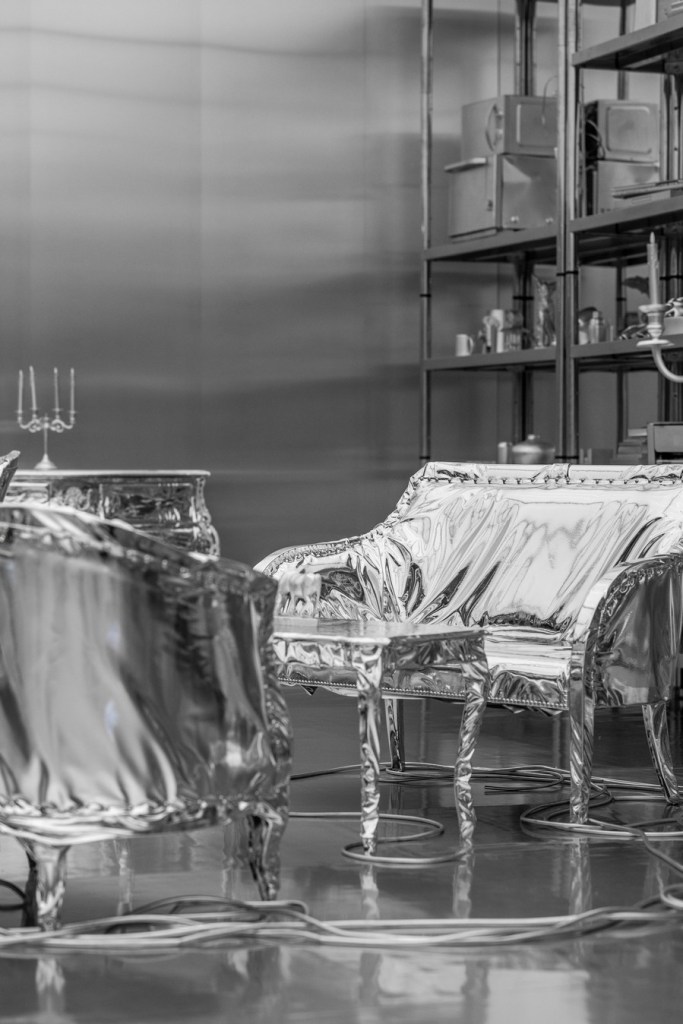
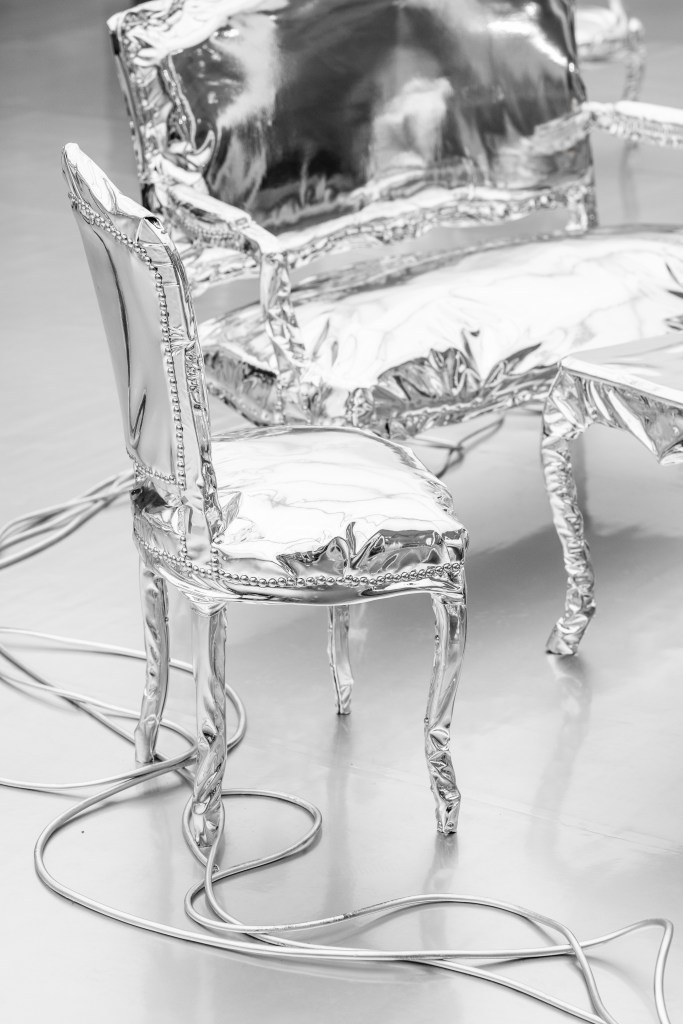
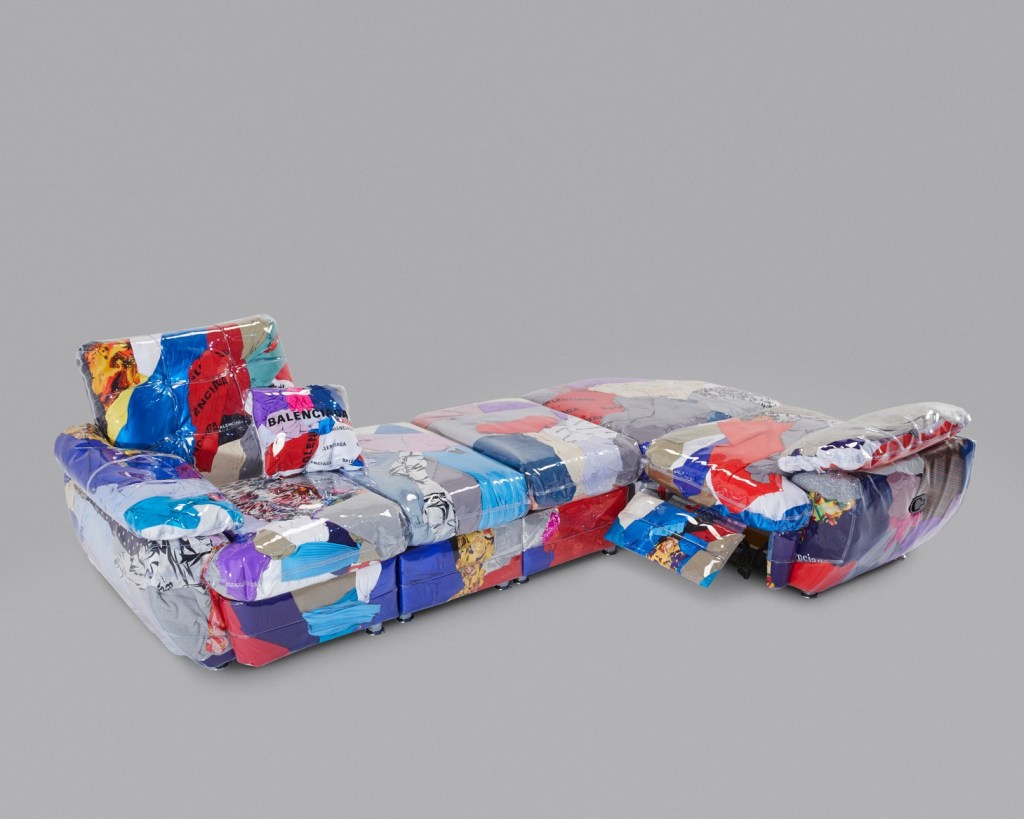
Central to Nuriev’s philosophy is Transformism, a concept rooted in reinterpretation rather than invention. Instead of creating from scratch, Nuriev reimagines existing forms, materials, and cultural references, infusing them with new narratives and emotional weight. In his hands, familiar objects are never static — they evolve, adapt, and invite reconsideration.
This approach resonates strongly in a world increasingly conscious of sustainability and cultural continuity. Nuriev’s work suggests that progress doesn’t always mean discarding the past; sometimes, it means transforming it. Everyday materials are elevated, historical references are recontextualized, and nostalgia becomes a powerful design tool rather than a limitation.
Crosby Studios: Where Disciplines Collide
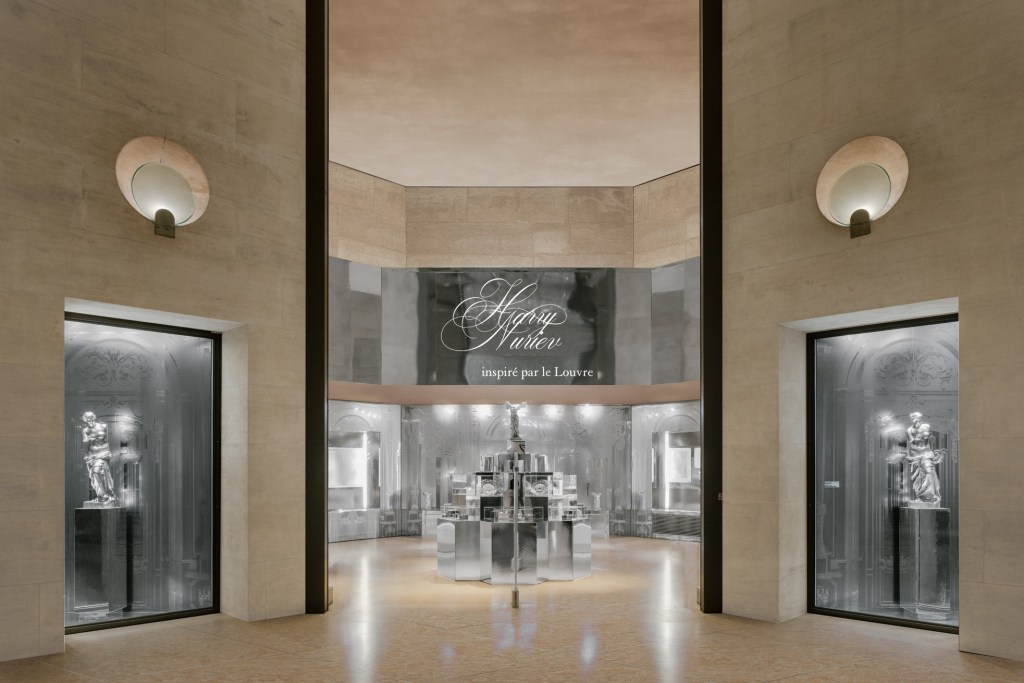
Founded in 2014, Crosby Studios operates as a creative ecosystem rather than a traditional design firm. The studio’s projects span residential and retail interiors, art installations, collectible furniture, and immersive environments. Each space tells a story — often playful, sometimes provocative — but always intentional.
Nuriev’s collaborations with fashion and luxury brands have further cemented his reputation as a cultural connector. Whether designing a conceptual retail space or an installation that feels closer to performance art, his work encourages interaction and reflection. Spaces are not merely functional; they are experiential, inviting visitors to question their relationship with design and consumption.
An Aesthetic of Memory and Emotion
Visually, Nuriev’s work is instantly recognizable. Clean lines meet bold gestures, minimalism is softened by irony, and emotional cues are embedded in architectural forms. Denim textures, recycled materials, and everyday objects often appear in unexpected contexts, creating an aesthetic that feels both familiar and subversive.
What makes his work compelling is its emotional intelligence. Nuriev designs with feeling — tapping into nostalgia, humor, and collective memory — while maintaining a sharp conceptual edge. The result is design that resonates beyond visual appeal, leaving a lasting impression on how spaces are experienced.
Why Harry Nuriev Matters Now
At a time when design is being asked to respond to larger questions — about identity, sustainability, and cultural relevance — Harry Nuriev offers a thoughtful, human-centered response. His work challenges the idea that design must always be new to be meaningful. Instead, it proposes transformation as a form of progress.
Nuriev doesn’t simply create objects or interiors; he creates conversations. By reworking what already exists, he invites us to look closer, think deeper, and engage more consciously with the environments we inhabit. In doing so, he continues to redefine what contemporary design can be — not just visually striking, but culturally resonant and emotionally alive.

Leave a comment